
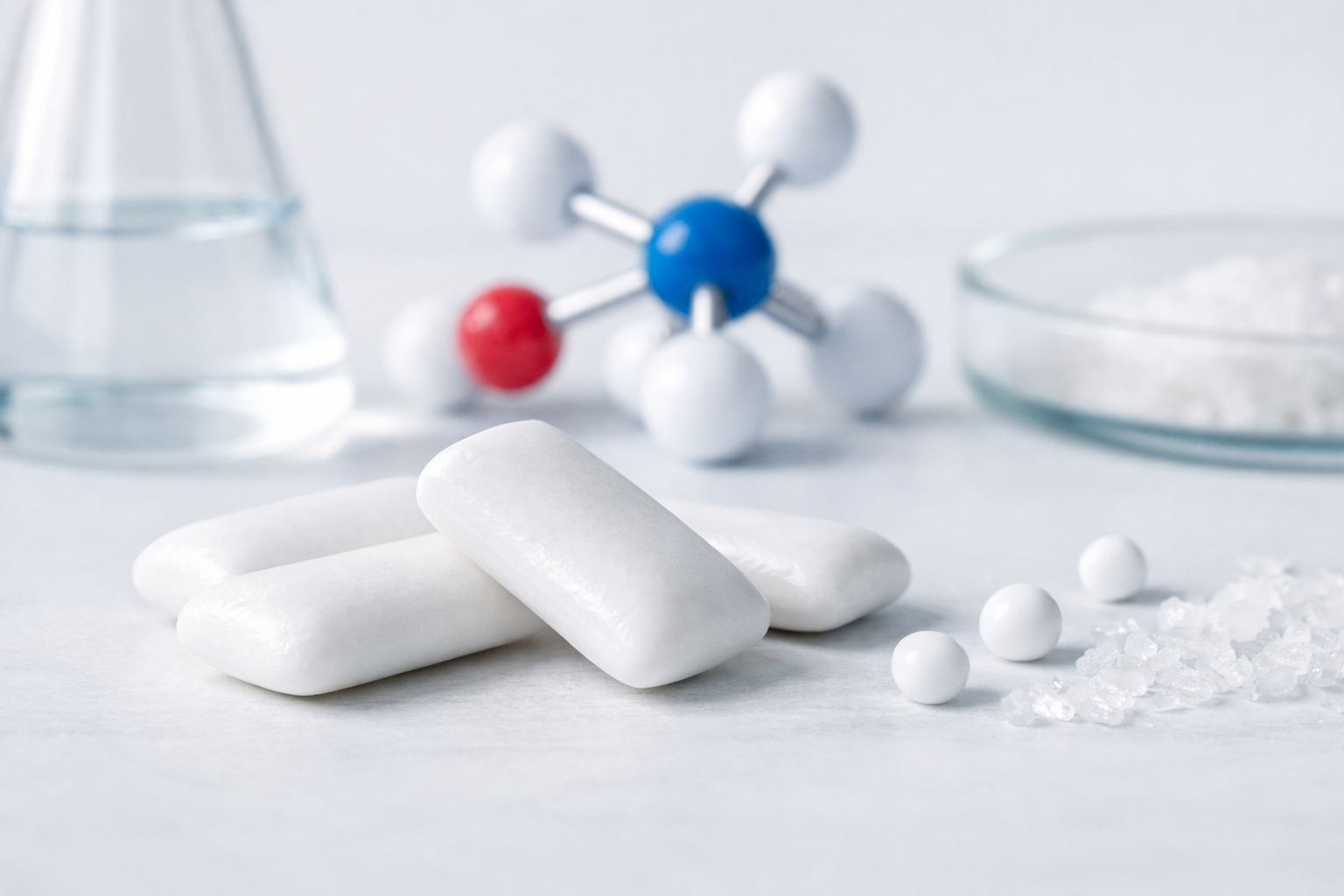
Recaldent® chewing gum is a sugar-free gum format that includes CPP-ACP, a milk-derived ingredient used in certain oral-care products. People often discover it through Japan, where Recaldent gum is commonly available in a wide range of flavours and formats.
This page is designed to be the central reference for BreezeCare’s Recaldent education — explaining CPP-ACP in plain English, how Recaldent gum differs from regular sugar-free gum, and how people commonly include it as part of everyday oral routines.
Important note
This content is general education only and is not individual medical or dental advice. Always read the label and follow directions for use. Products containing CPP-ACP (Recaldent) are derived from milk protein and are not suitable for people with a milk protein allergy.
Quick answer: what is Recaldent (CPP-ACP)?
CPP-ACP stands for casein phosphopeptide–amorphous calcium phosphate. It is derived from milk protein (casein) and is designed to carry calcium and phosphate in a stable form within the mouth.
Recaldent® is the trademark name used for this CPP-ACP technology. When a product says it contains Recaldent, it means it contains CPP-ACP.
If you’d like the simple science explainer, start here:
Why chewing gum shows up in modern oral routines
Chewing gum is widely used as an everyday habit after meals or drinks, especially when brushing isn’t immediately practical. The act of chewing naturally stimulates saliva flow, which can help the mouth feel fresher between brushing sessions.
That is why sugar-free chewing gum is commonly recommended as a routine habit in many countries.
How Recaldent gum differs from regular sugar-free gum
Most sugar-free gums are designed primarily to stimulate saliva and freshen the mouth. Recaldent gum is different because it also contains CPP-ACP as part of the formulation.
Many people choose Recaldent gum because it combines a familiar daily habit (chewing sugar-free gum) with an ingredient used in certain oral-care products.
Saliva, daily comfort, and chewing gum habits
Saliva is a major part of how the mouth maintains balance. It helps wash away food debris, supports everyday oral comfort, and contributes to the normal regulation of the oral environment.
Many people notice saliva flow is lower overnight, and for some people it can vary throughout the day. Simple habits like hydration and chewing sugar-free gum after meals are commonly used to support normal saliva flow.
If you want the saliva-focused guide, read:
Recaldent Chewing Gum and Saliva: how sugar-free gum fits daily routines
Enamel mineral balance (explained simply)
Tooth enamel is primarily made from minerals. Throughout the day, eating and drinking can temporarily change conditions in the mouth. Saliva plays a role in helping the mouth return toward balance over time.
CPP-ACP is often discussed in the context of calcium and phosphate availability in the mouth, which is why it appears in multiple oral-care formats (for example, dental creams and certain chewing gums).
If you want the enamel-focused guide, read:
Recaldent gum and enamel: understanding the role of CPP-ACP
Where Recaldent gum fits in a practical routine
Recaldent gum is not a replacement for brushing. It’s usually used as an optional daytime habit — most commonly after meals or drinks when brushing isn’t convenient.
A practical “routine-first” approach usually includes:
- brushing and gumline cleaning consistently
- tongue hygiene where appropriate
- hydration and saliva-supporting habits
- optional additions only where they fit your lifestyle
For a broader routine overview, read:
The Complete Oral Care Routine: a modern approach to long-term oral health
Research context: CPP-ACP and routine adoption
CPP-ACP (Recaldent) is used across multiple product formats. BreezeCare also participated as a recruitment partner in Australian qualitative research exploring how people described routine change after introducing CPP-ACP products into their oral care.
Related study summaries:
- What we learned from a CPP-ACP oral care study
- BreezeCare patients participate in a Tooth Mousse study (plain-English summary)
Explore Recaldent gum flavours and formats
If you’d like to browse the Recaldent sugar-free chewing gum formats currently listed at BreezeCare, you can view the collection here:
View the Recaldent chewing gum collection
FAQ: Recaldent gum and CPP-ACP
Is Recaldent gum sugar-free?
Yes. Recaldent chewing gum is sugar-free and is typically sweetened with sugar substitutes. Always check the label of the specific product variant.
Is Recaldent (CPP-ACP) safe for everyone?
CPP-ACP is derived from milk protein. Products containing CPP-ACP (Recaldent) are not suitable for people with a milk protein allergy. If you are unsure, seek professional advice.
When do people typically chew Recaldent gum?
Many people chew sugar-free gum after meals, snacks, or coffee, particularly when brushing is not immediately practical. This is also when Recaldent gum is commonly used.
Does chewing gum stimulate saliva?
Chewing is a natural trigger for saliva flow. This is one reason sugar-free chewing gum is often used as a daytime habit between brushing sessions.
What is the difference between Tooth Mousse and Recaldent gum?
They are different formats. Tooth Mousse is a topical dental cream format. Recaldent gum is a sugar-free chewing gum format. Both may contain CPP-ACP (Recaldent), but they are used differently within routines.
Can I use Recaldent gum instead of brushing?
No. Chewing gum is generally used as an optional habit between brushing sessions, not as a substitute for brushing and other hygiene steps.
Why are there so many Recaldent gum flavours in Japan?
In Japan, chewing gum is widely integrated into everyday oral routines, and Recaldent gum has historically been offered in many flavours and packaging formats to suit different preferences.
What should I look for on the label?
Key items to check include whether the gum is sugar-free, whether it contains CPP-ACP (Recaldent), and any allergen statements related to milk protein. Always follow the product directions.
Recaldent® is a trademark of the Mondelēz International group, used under licence.


